2025 Year in Review: Robotics
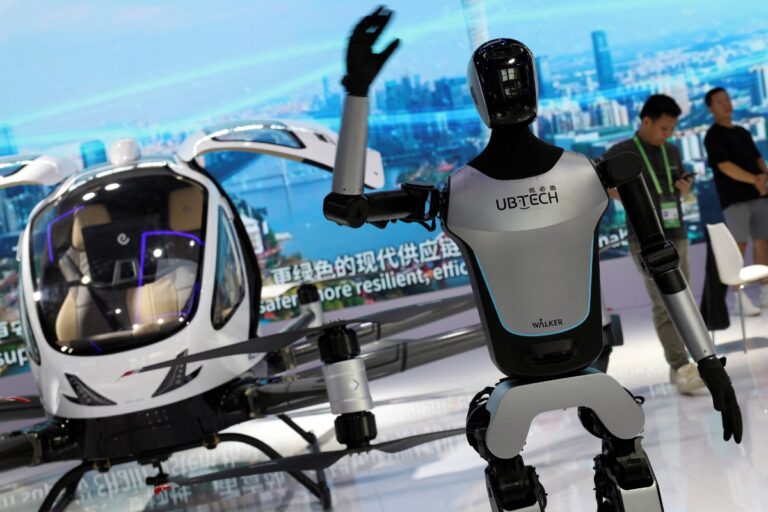
Robotics is finally moving beyond controlled labs and industrial cages, entering public spaces, homes, and workplaces in increasingly visible ways. What once felt like distant experimentation is now playing out in marathons, living rooms, and global logistics centers, drawing attention not just from engineers but from investors, policymakers, and the public alike.
In 2025, humanoid robots began testing their limits in unexpected arenas, from competing in sporting events to assisting with household tasks and even reshaping operations inside massive warehouses. While many of these systems are still imperfect and heavily supervised, their rapid progress is raising important questions about readiness, usefulness, and long-term impact on employment. Together, these developments point to a robotics sector that is no longer speculative but steadily moving into everyday life.
Robots Getting into Sports
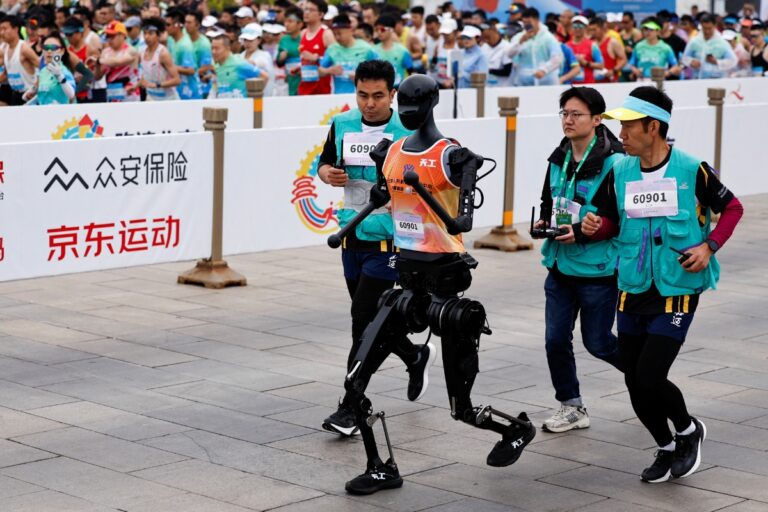
In April 2025, runners at the Beijing Half Marathon had a fascinating surprise: a couple of dozen humanoid robots running alongside them. Most of the robot participants never finished the race, but some did, generating significant interest and attracting investors to the companies developing these robots.
Later, many demonstrations of robots competing in sports were held, mostly in China. Human operators controlled some, while others relied only on AI algorithms, but all were impressive. Most demonstrations can be described as clumsy, but they demonstrate that humanoid robots are improving and may become useful very soon.
Robot Butlers are Here
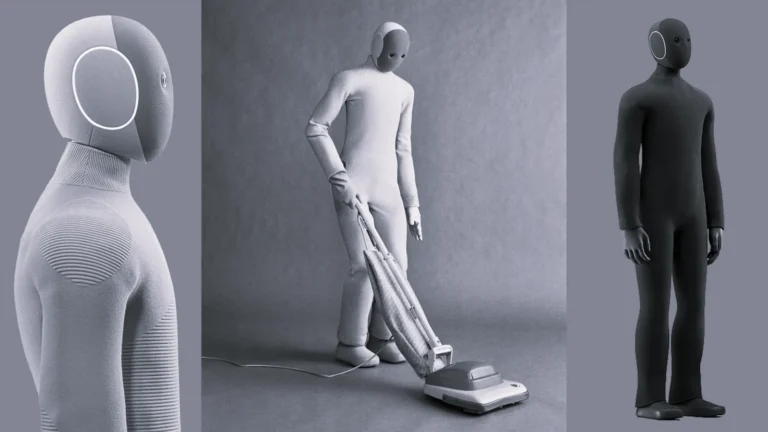
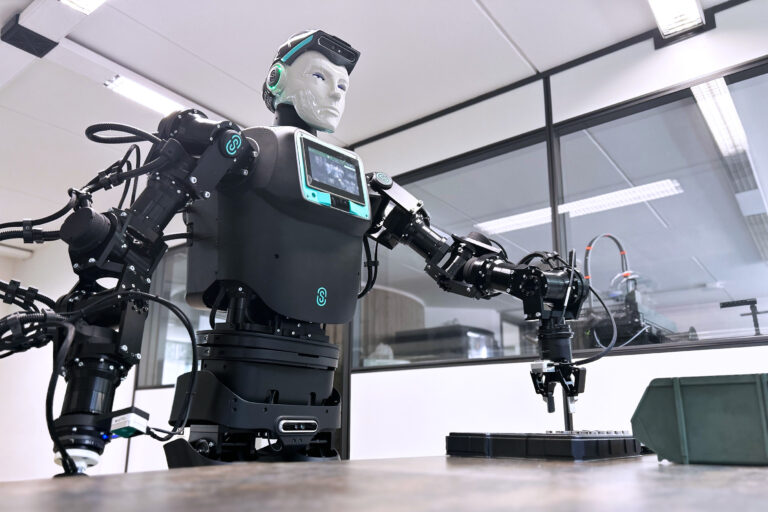
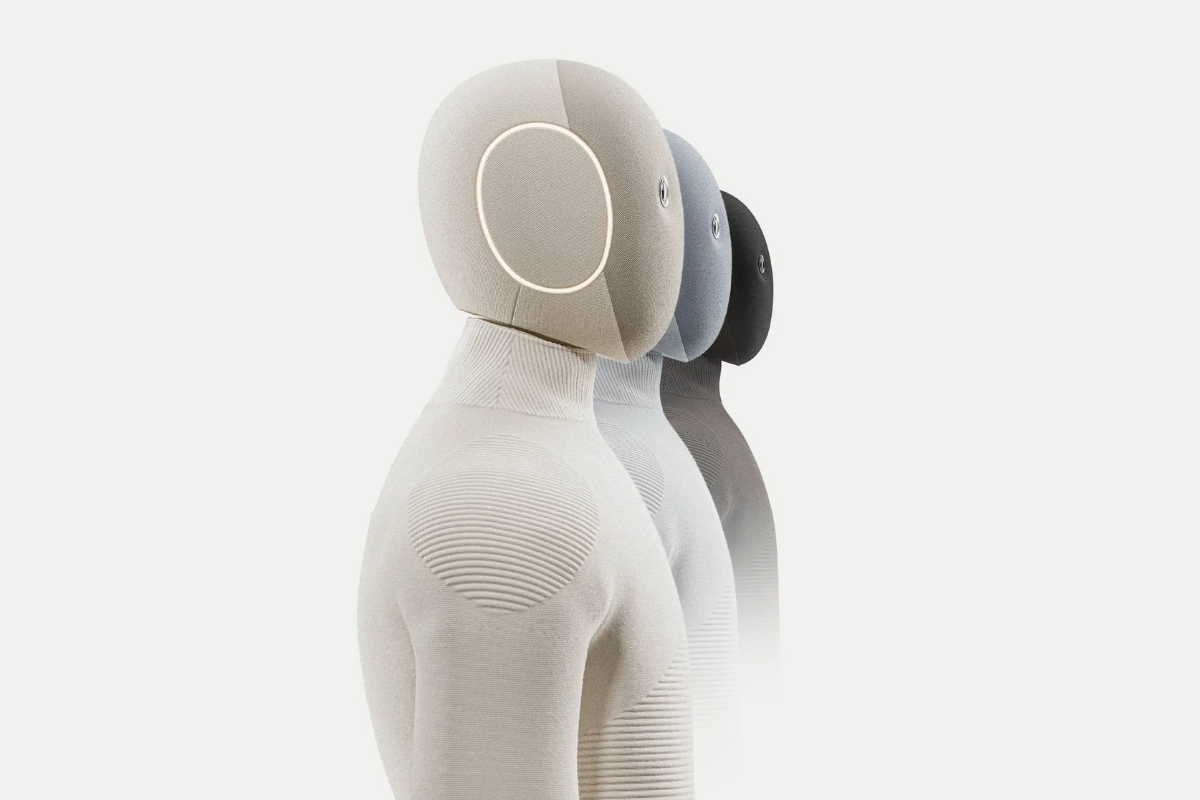
Founded by an ex-OpenAI employee, 1X Technologies became one of the hottest startups in 2025 when it opened its NEO home robot for preorder. The company claims that this is the robot sci-fi has promised for decades: an intelligent, humanoid robot that assists with household chores. A robotic butler, so to speak.
The NEO bot is about 168cm tall and weighs only 30 kilograms. Still, the $20,000 robot can lift 68 kilograms or carry up to 25 kilograms. It has many sensors and uses AI for its functions. However, in the early stages, human controllers will sometimes operate it, and demonstrations have shown that the AI needs more training to become truly effective.
Are Warehouse Jobs Going Away?
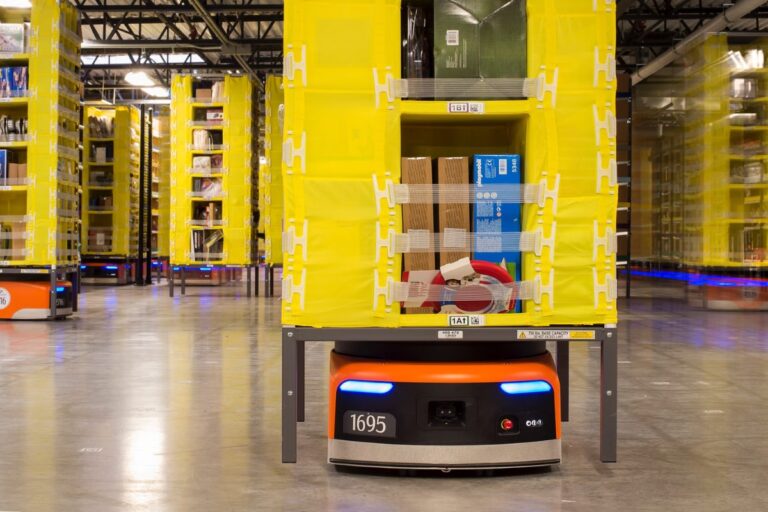
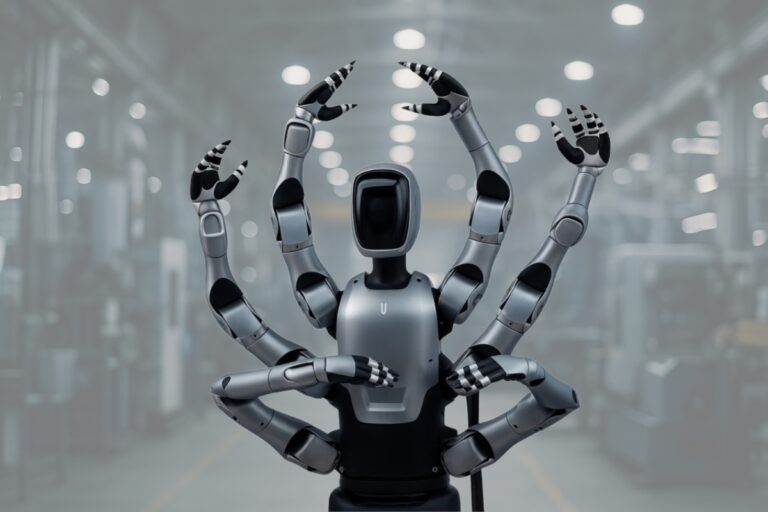
Worldwide, the largest e-commerce platform, Amazon, employs approximately one million workers in its warehouses. The company also has one million robots in these warehouses, and the number is expected to grow from here. The robots are not only increasing in number, but also in their abilities. Media reports claimed in October that the company could replace over half a million warehouse jobs with these robots.
The company was quick to clarify that the leaked documents paint an incomplete picture and that the company is currently looking to expand its warehouse workforce. Yet, the document sparked discussion about the future of employment as AI and humanoid robots automate an ever-growing list of tasks.