Black Hat MEA 2025 concludes as a defining checkpoint for the region’s cybersecurity future
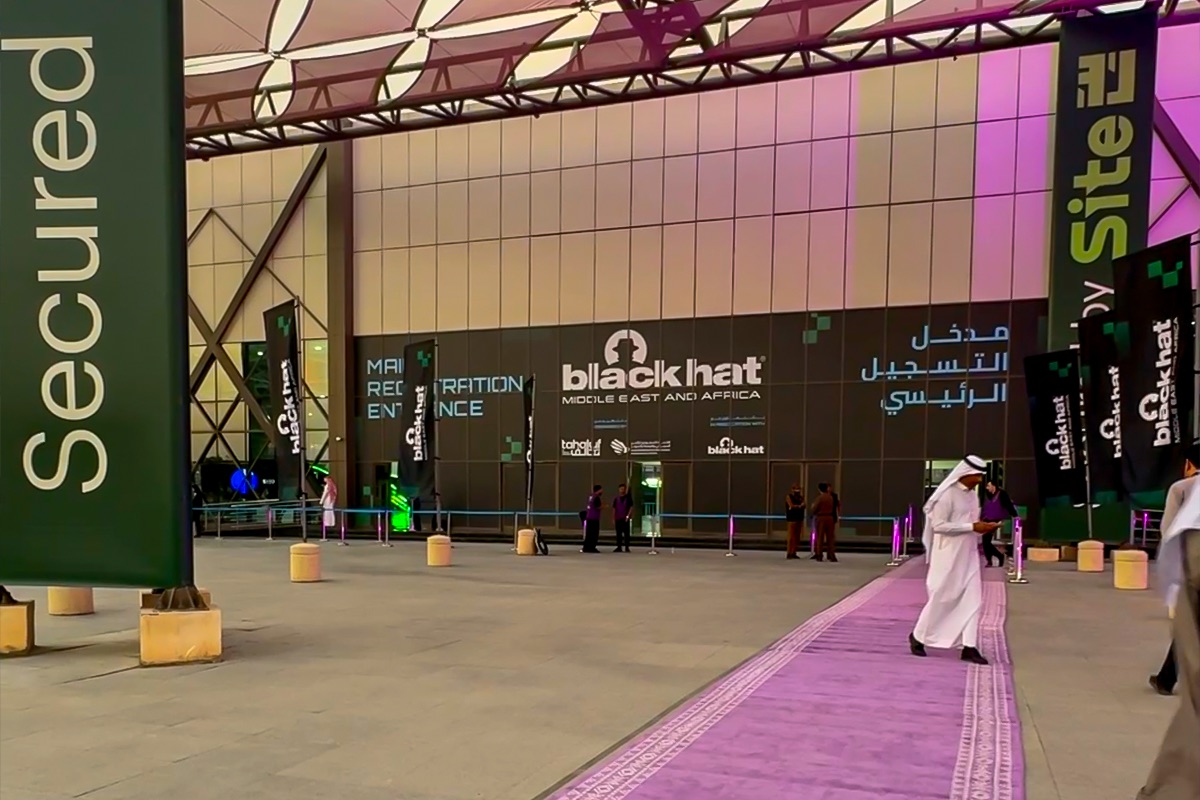
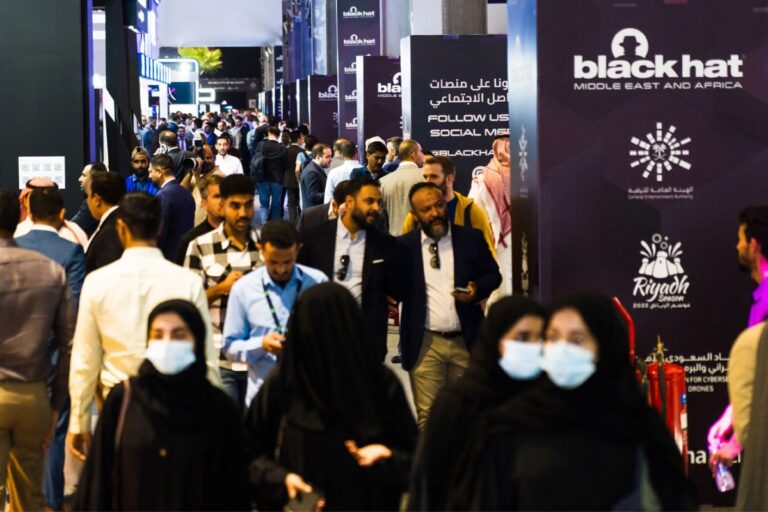
Black Hat Middle East and Africa 2025 concluded in Riyadh after three days that reinforced the event’s status as one of the world’s most influential cybersecurity gatherings. Held from December 2–4 at the Riyadh Exhibition & Convention Center – Malham, the fourth edition brought together policymakers, enterprises, security practitioners, researchers, and innovators around a shared challenge: securing digital transformation in an era defined by AI-driven threats and growing automation.
Organized by Tahaluf in partnership with the Saudi Federation for Cybersecurity, Programming and Drones (SAFCSP), and with MENA TECH as a media partner, the 2025 edition built on the rapid growth seen in previous years. What began as a regional initiative has now firmly established itself as a global platform for strategic, technical, and operational cybersecurity conversations.
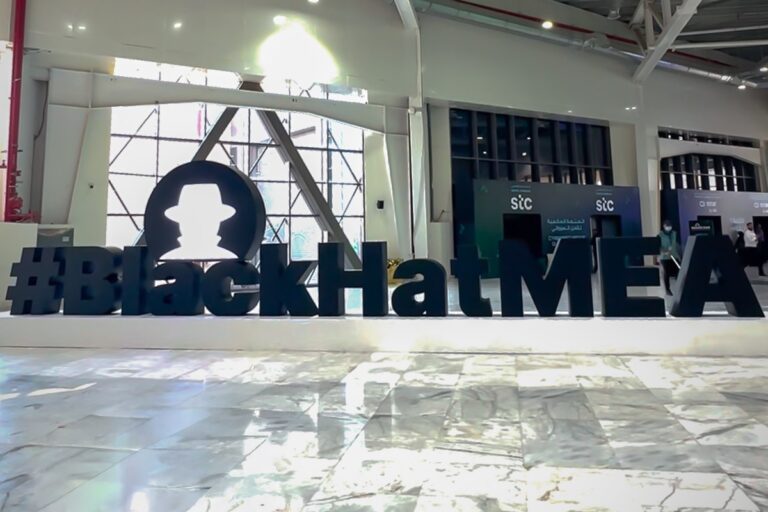
Throughout the event, executive summits set the tone for high-level dialogue. Ministers, regulators, CISOs, and senior technology leaders focused on cyber resilience, AI governance, regulatory frameworks, and the protection of critical infrastructure—topics closely aligned with national digital agendas across the Middle East and Africa. These sessions underscored a shared understanding that cybersecurity is no longer a technical afterthought, but a foundation for economic growth, trust, and geopolitical stability.
In parallel, the Briefings track delivered the technical depth that defines the Black Hat brand globally. Security researchers, engineers, and ethical hackers presented original research, new defensive methodologies, and real-world case studies addressing evolving attack surfaces, from cloud environments and identity systems to AI-enabled threats. For many attendees, these sessions offered early insight into techniques and vulnerabilities that are likely to shape the threat landscape in the months ahead.
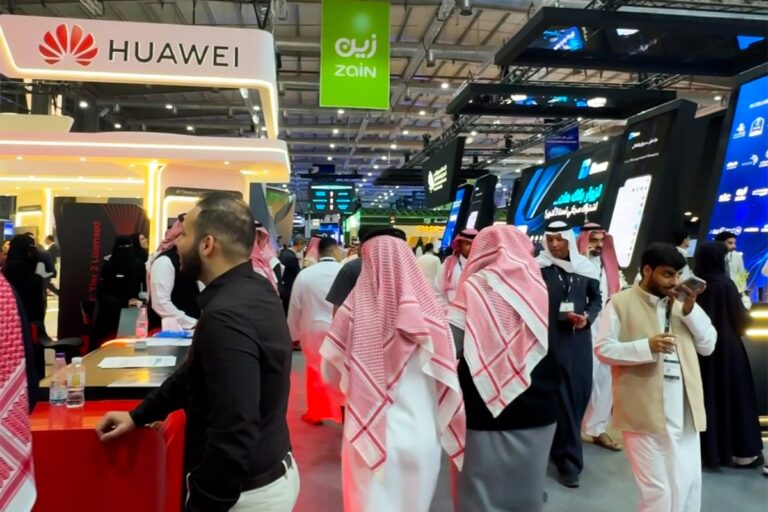
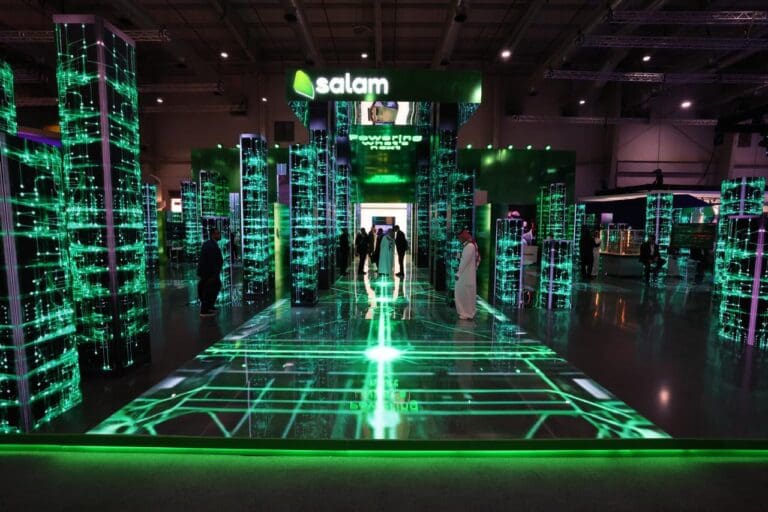
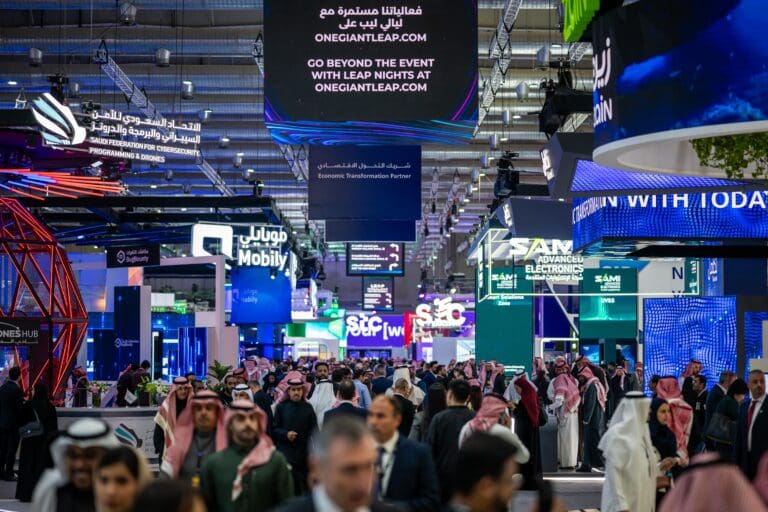
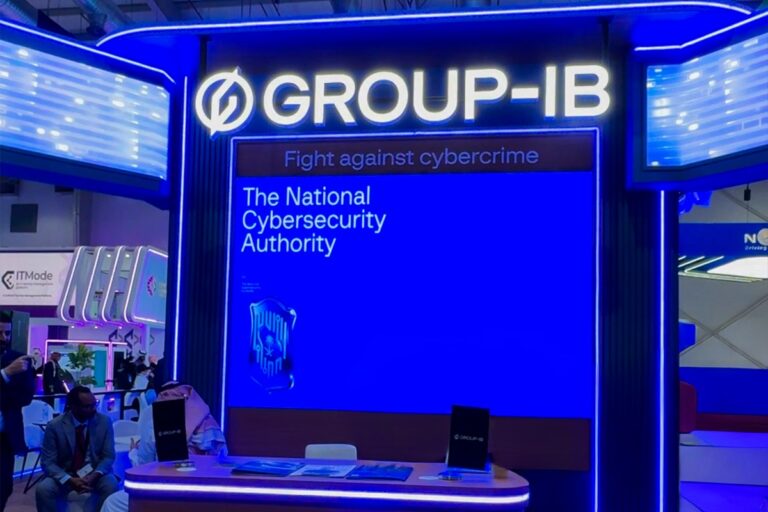
Beyond the main stages, Black Hat MEA’s live environments played a central role in translating strategy into practice. Arsenal and the Business Hall showcased a broad spectrum of security technologies, including threat intelligence platforms, SOC modernization tools, OT and cloud security solutions, and incident response capabilities. These spaces became active meeting points where enterprises evaluated solutions, vendors demonstrated real-world use cases, and practitioners exchanged hands-on insights.
Innovation and early-stage growth were particularly visible in the expanded Cyber Seed Startup Village. The dedicated zone allowed founders to present emerging cybersecurity products, engage directly with regional and international investors, and explore partnerships focused on AI-driven defense, cloud-native security, and sovereign technology development. The strong interest highlighted the region’s growing role not only as a consumer of cybersecurity solutions but also as a contributor to global innovation.
Competitions and skills-focused programs remained a cornerstone of the experience. The large-scale Capture the Flag competition once again drew teams tackling complex challenges that mirrored real attack scenarios. At the same time, hands-on labs and training sessions allowed participants to deepen their expertise in areas such as penetration testing, red teaming, and incident response. Initiatives aimed at students and early-career professionals reinforced Black Hat MEA’s long-term commitment to addressing the cybersecurity skills gap through practical exposure and mentorship.
Riyadh’s role as host was integral to the event’s impact. As Saudi Arabia positions cybersecurity, AI, and cloud technologies at the heart of Vision 2030, Black Hat MEA continues to serve as a neutral ground where government entities, enterprises, academia, and hacker communities collaborate. The discussions and connections formed over the three days reflected the city’s emergence as a strategic hub for global conversations on digital security.
As Black Hat MEA 2025 comes to a close, it leaves behind more than announcements and demonstrations. It reaffirms a shift toward deeper collaboration between policy, research, and industry, and highlights how regional priorities are increasingly shaping global cybersecurity discourse. For MENA TECH, participation as a media partner provided a front-row view into how these conversations are evolving—and how the outcomes of this year’s edition are likely to influence cybersecurity strategies well beyond the region.