AWS Transform expands to custom environments, with agentic AI modernizing code
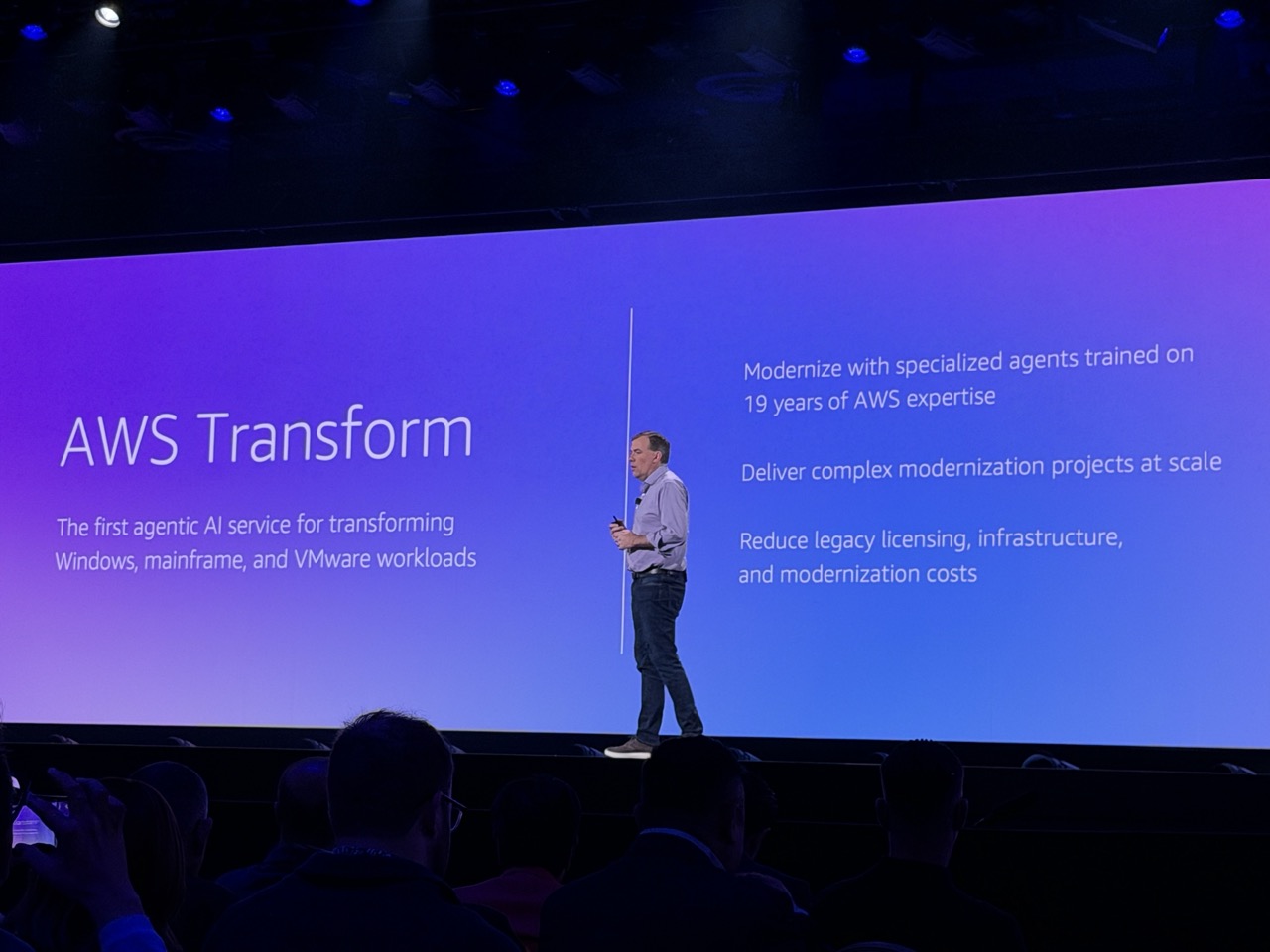
Amazon Web Services has announced a significant expansion of “AWS Transform”, its agentic AI service designed to modernize legacy applications, codebases, and infrastructure at scale. This expansion marks a turning point for the industry as the company says the updates are automating tasks and have already analyzed over a billion lines of code, saving 810 thousand hours of manual work.
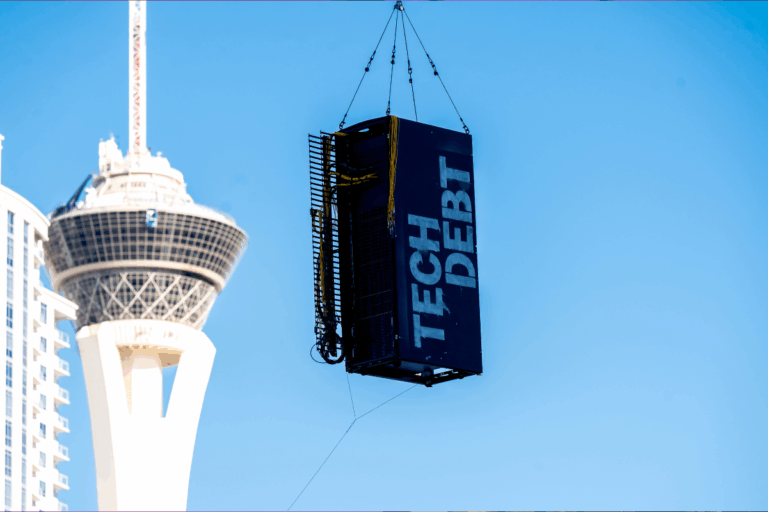
The company says the expansion is aimed at helping organizations reduce long-standing “tech debt”—a term used to describe nearly 30% of engineering time wasted on maintaining old systems that should have been designed better in the first place.


AWS Transform was initially introduced to automate modernization for Windows .NET applications, VMware systems, and mainframes. The service has enabled customers to modernize systems up to 4 times faster by using its earlier capabilities. The new release significantly broadens the scope, introducing an AI-driven “custom capability” that can modernize any code, API, runtime, framework, architecture, or language, including proprietary, organization-specific ones.
The new “custom” agent is designed for transformations across hundreds or thousands of applications, delivering up to 5× faster modernization than manual efforts, according to AWS. It supports both pre-built transformations, such as upgrades to Java, Node.js, and Python, and fully customized workflows.
The system also incorporates feedback loops so the agent improves reliability with each project. Organizations such as Air Canada and QAD reported major reductions in modernization time and cost. Air Canada used Transform to coordinate updates across thousands of Lambda functions, cutting expected effort by 80%. QAD processed 180,000 lines of legacy code with reported accuracy gains and productivity improvements of 60%–70%.
AWS is also extending Transform into full-stack Windows modernization. The upgraded service analyzes an organization’s entire Windows environment and generates coordinated modernization plans. Once approved, the agentic system performs end-to-end transformation into open-source, cloud-native solutions, potentially reducing licensing and maintenance costs by up to 70%.
The company says Customers such as Teamfront and Thomson Reuters have used the service to migrate large codebases, with Thomson Reuters reporting migration speeds of 1.5 million lines of code per month and a 50% reduction in technical debt.
Additional updates target mainframe and VMware modernization, both of which have long been considered among the most complex areas of enterprise transformation. For mainframes, AWS is adding three new agents that expand capabilities around activity analysis, blueprint generation for business functions, and domain decomposition. New testing agents now automate test-plan creation, data collection, and validation scripts—tasks that typically consume half of modernization project timelines.
Collectively, the new capabilities constitute one of the most significant advancements for AI agents. AWS Transform is now considered a broad modernization platform rather than a Windows-only or mainframe-focused tool. The company says the upgrades will help enterprises reduce technical debt more quickly, lower long-term licensing costs, and accelerate the shift to modern, cloud-based architectures.