Breaking Barriers Between People and Technology – Acer’s Grigory Nizovsky on AI, education, and digital transformation
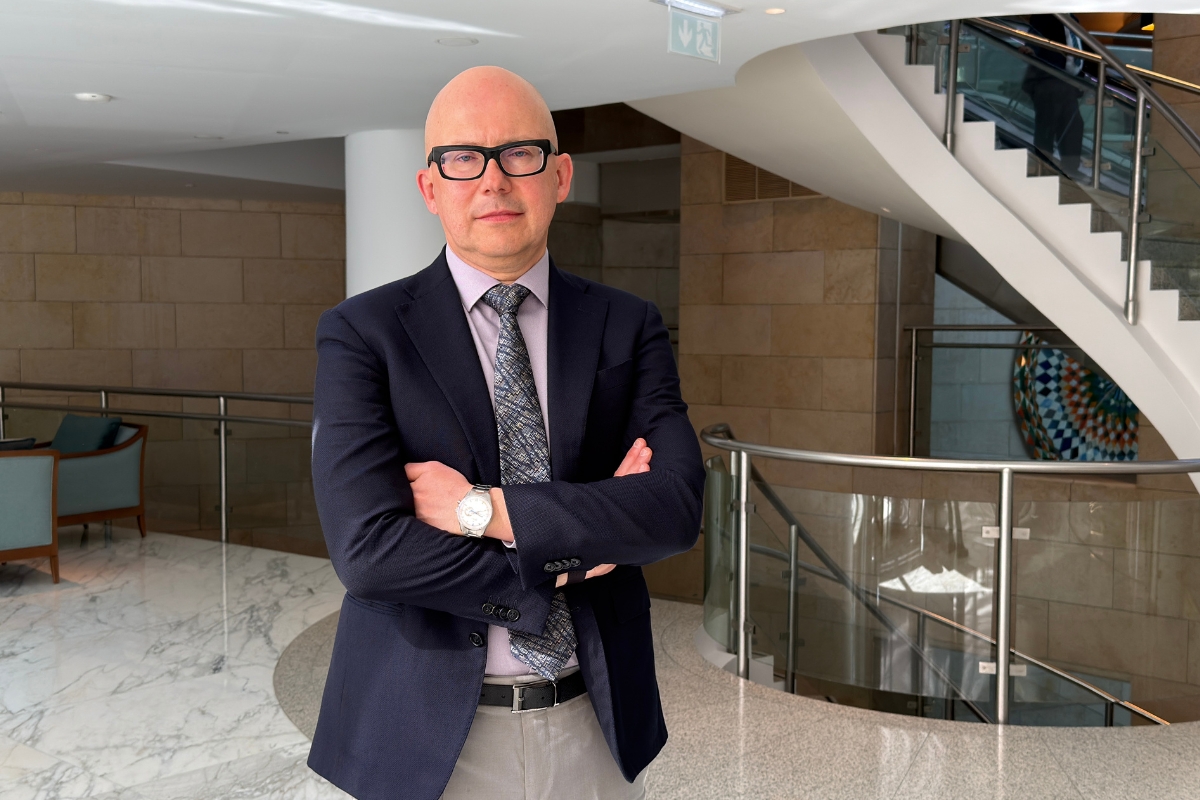
Across all regions, the digital landscape is shifting rapidly. Governments are accelerating e-services, education ministries are rolling out large-scale device programs, and enterprises are rethinking how technology fits into their long-term strategies. Behind these changes are the manufacturers and ecosystem players working across very different levels of maturity and infrastructure.
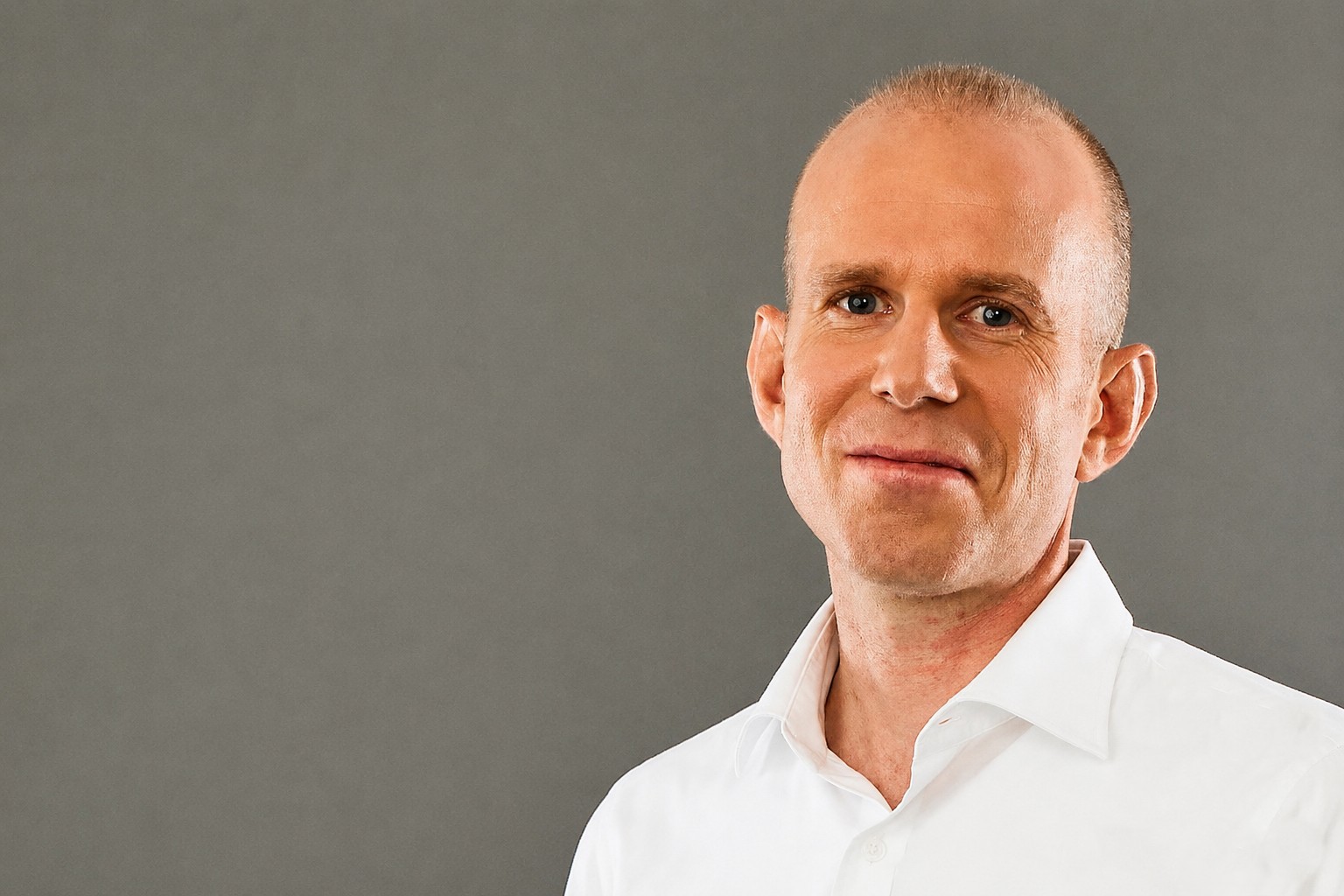
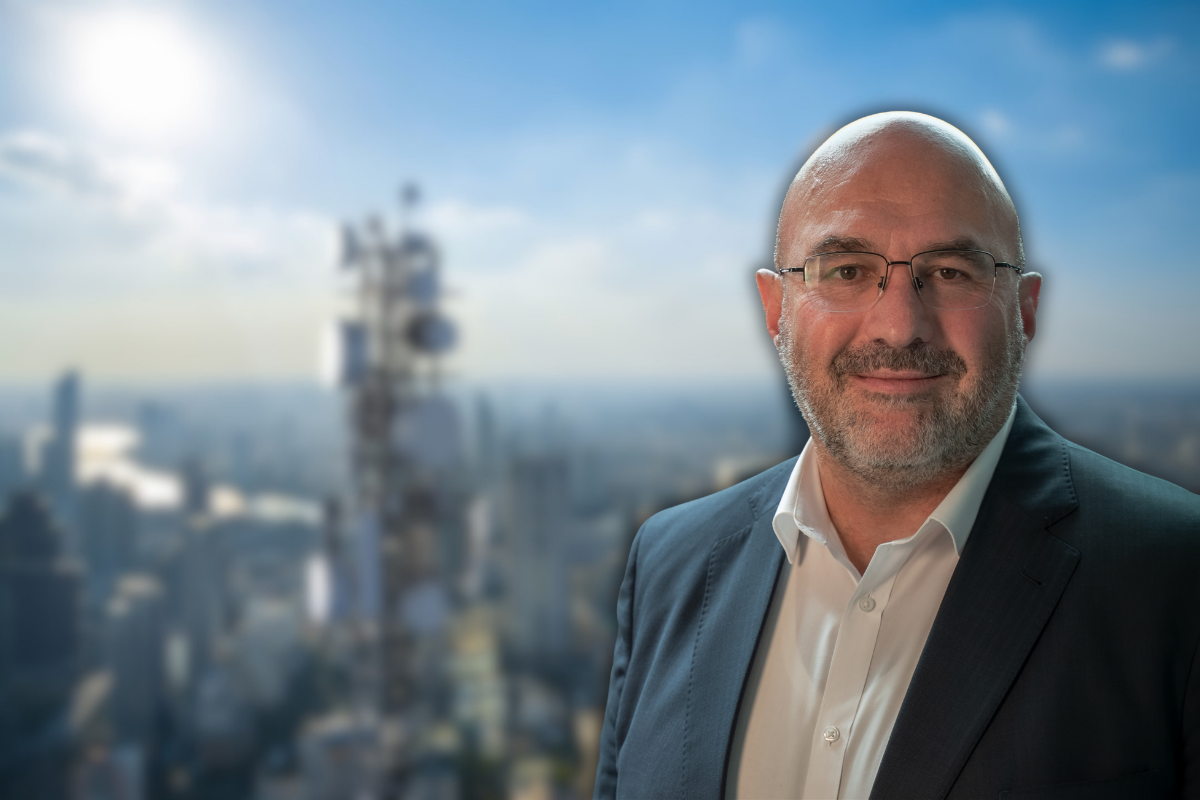
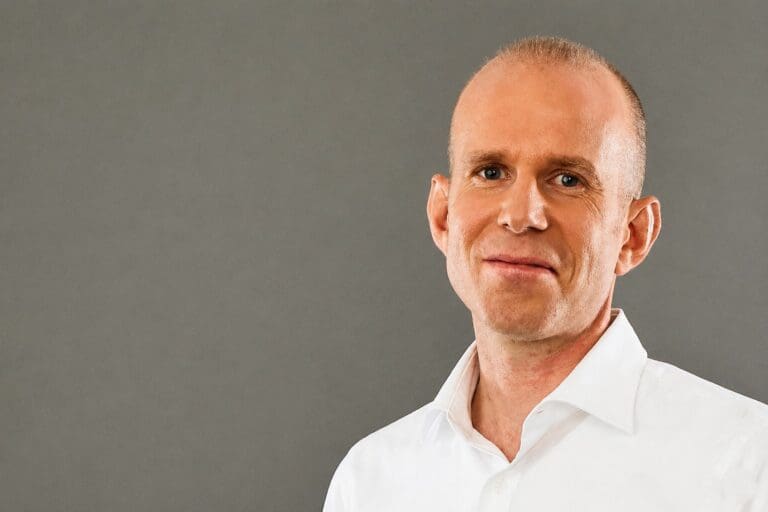
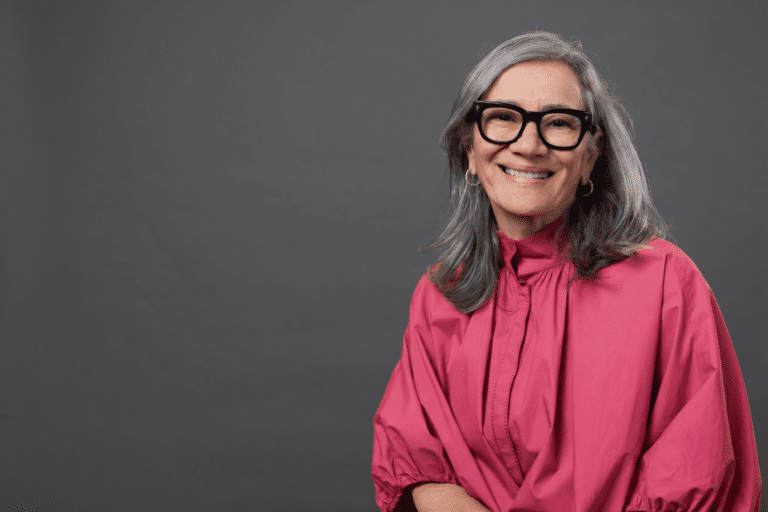
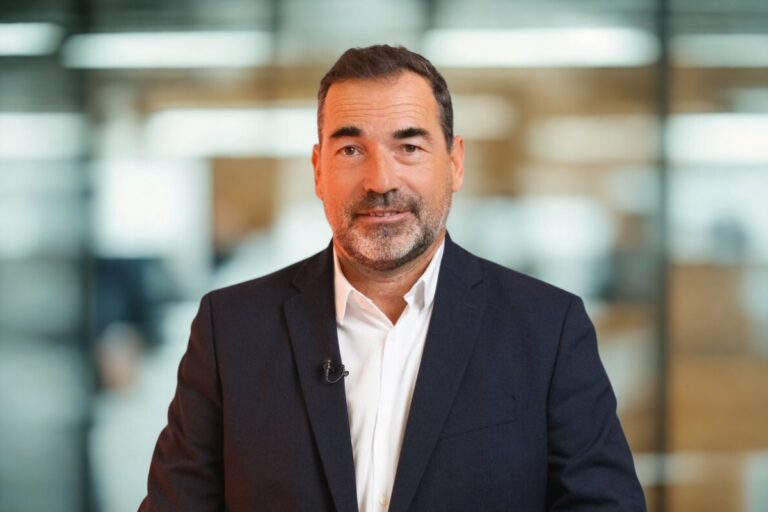
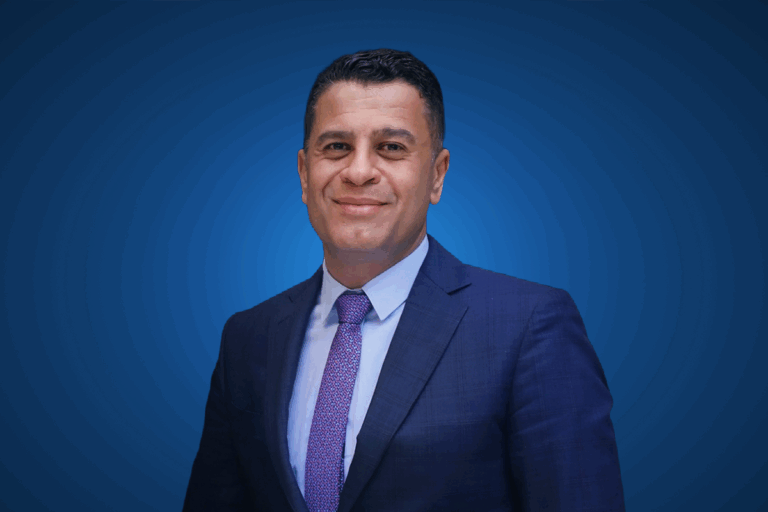
Among them is Grigory Nizovsky, VP for the EEMET region (Eastern Europe, Middle East, Africa, and Turkey) at Acer. Nizovsky oversees a vast region, placing him at the intersection of supply chain realities, government digitization efforts, and the rise of AI-driven products and services. With 33 years of Acer’s presence in the region, Nizovsky carries both institutional knowledge and a frontline view of market transformation.
In this exclusive interview, he speaks openly about what makes markets like Jordan distinctive, how Acer is integrating AI into its internal operations, why education remains a “red line” priority, and what sustainability and long-term loyalty mean as the company approaches its 50th anniversary.
Why did you visit Jordan, and what stood out from this trip?
There were several reasons for coming to Jordan. First, I wanted to understand the business environment better and see how things are really working on the ground. Acer has been present in the country for many years through our partners.
What I feel is that Jordan is moving fast in how it promotes itself as a place to do business, and so far, what is being promoted is quite transparent when you experience it directly.
Government organizations are accessible. If you need to discuss something with the Ministry of Education or the Ministry of Digital Economy, you can actually get an appointment to speak to the person in charge. There is a clear focus on developing people and digital services. For a company like ours, that combination of transparency, defined internal demand, and development mindset is usually where we succeed.
How do you adapt your strategy across markets with different levels of maturity?
I won’t talk too much about marketing itself, because honestly marketing has become the easiest part to adapt. With digital tools and social platforms, you can target different countries and audiences with tailored messages.
The real challenge is operational. The supply chain, the route to market, the way people actually buy devices. These are very different. In Western Europe, consumer markets are consolidated around a few big retailers. In many Middle Eastern countries, you have “computer streets” or plazas with dozens of small shops and distributors. You cannot physically visit every shop every day.
So we build systems and tools to compensate. In my region, we operate configuration centers or light-assembly facilities in countries such as Kazakhstan and Azerbaijan. We can ship components, store them, and then quickly assemble the configurations needed for each tender or customer. We also deploy channel apps where partners simply scan serial numbers, submit reports, and interact with us digitally. Increasingly, AI helps us validate this data and make sure it is consistent.
How is the AI revolution changing your business?
AI brought both challenges and opportunities, but for us, it reactivated a long-standing part of the business. Acer has had a servers and storage division since the 1970s. There were years when, in some categories, we were market leaders, then for various reasons, that business segment slowed down. With AI, demand for storage and servers has grown again, and this division is now developing very well in Central Asia, the Middle East, and other regions.
On the consumer side, we have AI-enabled PCs and notebooks on shelves today, and this will only accelerate. But what I find most interesting is how we use AI internally. At our EMEA headquarters in Lugano, Switzerland, our IT department built an application called SOFIA. It is an internal LLM that connects to our databases, so instead of manually preparing reports, I simply ask SOFIA for the data I need and get it in seconds.
We are also working on AI-based sales assistants for our channel partners. Many resellers do not have time to log into portals and search for every detail. With an assistant, they can quickly ask for arguments comparing one device to another and receive clear, targeted points to use in real time with their customers. So yes, we sell AI, but I am proud that we are genuinely using AI technology in our everyday work and in how we support the channel.
Why is education such a central focus for Acer?
For us, education is not just “important.” It has been a clear strategic focus for at least 10 to 20 years. Internally, education is always marked as a separate red line. In the public sector, our best customers are often in education, followed by healthcare, and we have built large projects around those sectors.
In Jordan, for example, we supplied 31,600 devices to the Ministry of Education between 2019 & 2022, including laptops, desktops, monitors, projectors, and accessories. In Georgia, we have been supplying 50,000 notebooks to first-grade students for seven consecutive years. In Azerbaijan, we support annual projects that provide around 30,000 notebooks to students. The assembly facility in Kazakhstan was initially set up to serve a major education initiative there.
We were also the first company to make a Chromebook with Google back in 2011, before Chromebooks became widely adopted a few years later. When the supply chain is under pressure, it is always tempting to send limited components to customers who pay more, such as banks. Inside Acer, educational customers always have the highest priority. We keep our promises even when it is difficult, and that is part of our culture.
How are you embedding sustainability into products and operations?
At the global level, we have an initiative that brings together our sustainability efforts, but what matters to me is that we do things people can touch and feel. One example is our eco line of PCs, where we use recycled plastics, including ocean-bound plastic, in the devices themselves. We started at around 30% recycled content and moved up to about 60%. The packaging is also fully recyclable.
In EMEA, our offices are moving toward using 100% renewable electricity. In Switzerland, where my office is, we support employees who use electric mobility, whether it is cars or, in my case, an electric scooter for daily commuting.
Looking ahead to 2030, how do you see Acer’s role in digital transformation?
Looking to 2030, I see Acer continuing to remove barriers between people and technology, whether that is through education projects, AI-driven systems, or more sustainable products. The fact that we are still in the top league after so many industry shifts says a lot. As long as we keep the original spirit of innovation alive, stay close to real customer needs, and remain honest about our priorities, I believe we will play a meaningful role in digital transformation across the region.