Google’s chief joins other tech leaders hinting at an “AI bubble”
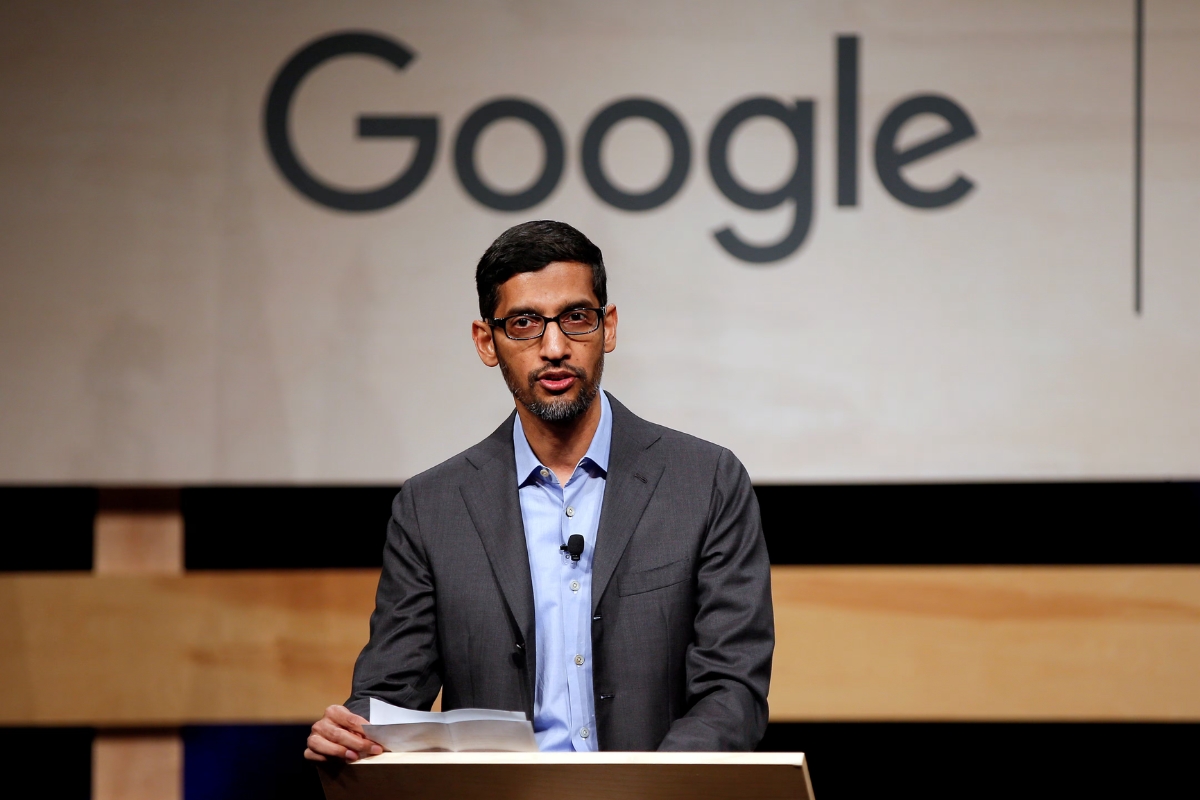
Sundar Pirchai, one of the most influential tech leaders today, has acknowledged that the AI sector might be caught in a bubble fueled by what he describes as “irrational investment.”
The CEO of Alphabet recently told the BBC that the AI market is showing unmistakable signs of overexuberance, with some funding decisions driven more by excitement than by sound fundamentals. He described the current wave of investment as an extraordinary period, while conceding that elements of investor irrationality are clearly present. This sounds very close to recent remarks by OpenAI CEO, Sam Altman, last August.
Pichai said the tech sector tends to overshoot during periods of intense enthusiasm, leading to investments that outpace the underlying technology. Despite the frothy environment, he emphasized that AI remains a transformative force, reshaping digital workflows and communication in ways reminiscent of the dot-com era.
“We can look back at the internet right now. There was clearly a lot of excess investment, but none of us would question whether the internet was profound. It’s fundamentally changed how we work digitally as a society. I expect AI to be the same. So I think it’s both rational, and there are elements of irrationality through a moment like this,” he said in the interview.
Pichai also acknowledged that a correction would affect every firm in the industry, including Google. Still, he said the company’s vertically integrated strategy provides some resilience. Like Altman, Pichai believes Google is well-positioned to weather an AI downturn that many analysts consider unavoidable. This full-stack approach, he said, enables Alphabet to handle market volatility more effectively than companies dependent on external technologies or alliances.
Pichai said AI’s impact on employment will mirror the internet’s influence on the workplace. While some roles will disappear and new ones will emerge, he believes the people who thrive will be those who adopt and integrate AI tools into their work.
“It doesn’t matter whether you want to be a teacher or a doctor,” Pichai said. “All those professions will be around, but the people who will do well in each of those professions are people who learn how to use these tools.”
He also warned that AI’s rapid expansion has environmental implications. According to Pichai, AI consumed 1.5% of the world’s electricity last year, placing additional pressure on energy systems. He cautioned that a failure to expand energy infrastructure could limit economic growth.