$70 billion deep, Zuckerberg scales back his Metaverse ambitions
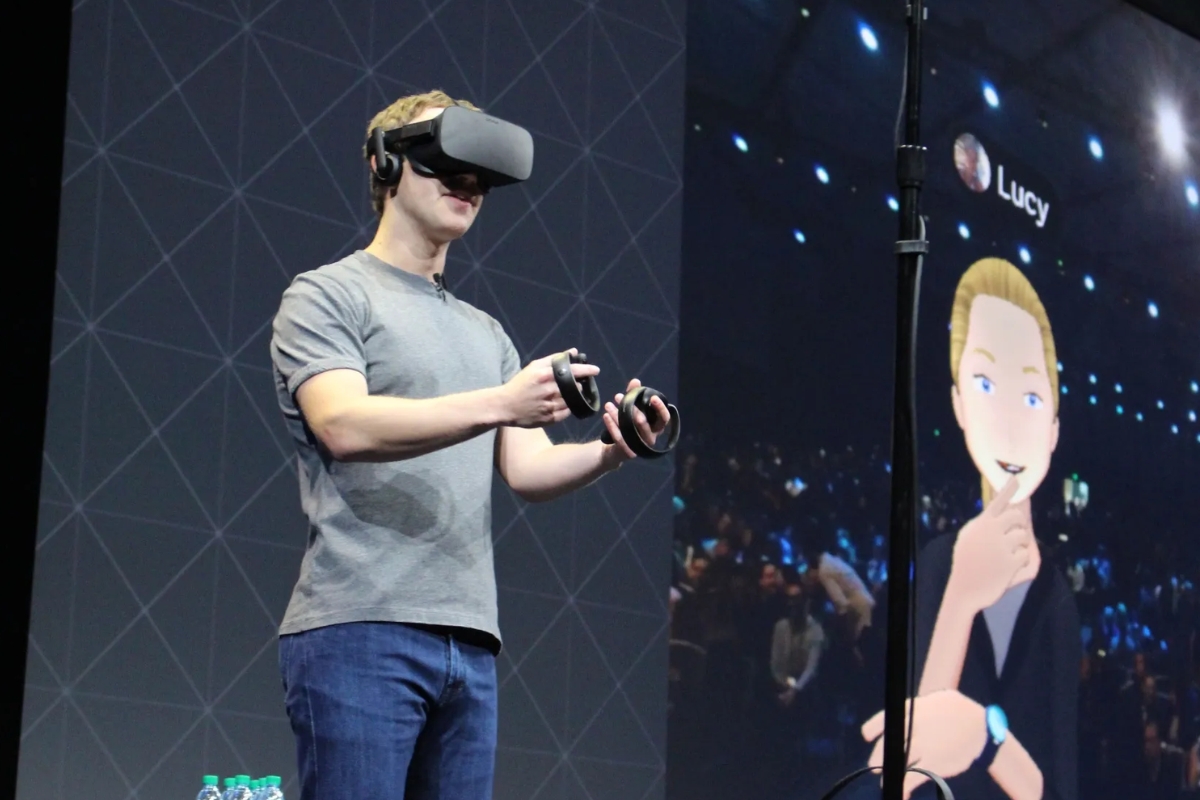
After spending tens of billions of dollars on the Metaverse, promising it as “the next big thing” and repeatedly arguing that it will surely eventually justify the expense, apparently, the dream is dead.
According to reports, Mark Zuckerberg is now walking back from his previously most ambitious vision. This project defined Meta’s identity for a while, serving as the namesake of the rebranding from Facebook. Now, the metaverse may be losing its place at the center of the company.
Reality Labs covers several parts of Meta’s VR and AR operations, but Bloomberg reports that two areas will face the biggest reductions: Horizon Worlds and virtual reality. Zuckerberg is preparing to cut Reality Labs’ budget by 30%, with the reductions expected to begin as early as January 2026.
A Meta spokesperson confirmed parts of the report, noting that the company is redirecting some of its investment from the metaverse group toward AI-powered glasses and wearables, hoping to build on the momentum in that market. Meta has recently intensified its efforts around smart glasses. In September, it introduced the second-generation Ray-Ban Meta, the Oakley Meta Vanguard, and the Meta Ray-Ban Display.
The market quickly welcomed the redirection, with Meta’s stock rising. Since Meta began reporting Reality Labs revenue in Q4 2020, the division has posted operating losses totaling roughly $70 to $75 billion.
Zuckerberg consistently argued that the metaverse industry would reach a value of billions, or even trillions, of dollars after 2030. Meta even commissioned a 2023 report that estimated the metaverse could add $760 billion to US GDP by 2035. Given current developments, though, these goals seem far-fetched.
Now, the surge in generative AI has shifted the entire tech sector’s focus. With AI capturing industry attention, enthusiasm for a fully immersive virtual world dropped sharply. Meta is investing billions into AI. For 2025, the company increased its capital expenditure forecast to about $70 to $72 billion, mainly directed toward AI infrastructure, including data centers, compute hardware, cloud services, and related systems.
The amount of AI spending has prompted some to sound the alarm about an AI bubble, or at least overspending. Yet, Zuckerberg has adopted a relaxed attitude about the risks. In September, he said, “If we end up misspending a couple of hundred billion dollars, I think that that is going to be very unfortunate, obviously, but what I’d say is I actually think the risk is higher on the other side.”