2025 Year in Review: Hardware
Hardware innovation is entering a more mature phase, one defined less by bold experiments and more by refinement, consolidation, and practical adoption. The spectacle hasn’t disappeared, but the focus is shifting toward devices that can realistically fit into daily life, justify their price, and coexist with the smartphone rather than attempting to replace it outright.
In 2025, this shift is most visible across extended reality, AI-driven hardware, and mobile form factors. Mixed reality is no longer theoretical, AI-first gadgets are quietly fading, and foldable smartphones are shedding their once-compromising designs. Together, these developments signal a hardware landscape that is finally aligning ambition with usability, bringing once-experimental ideas closer to the mainstream.
XR Is Really Here
What began with the Apple Vision Pro in 2024 continued this year, as the expensive mixed reality headset received a quiet update with a newer chip and a more comfortable strap. Additionally, the Vision Pro faces a new, robust competitor: the Samsung Galaxy XR, developed with Google and Qualcomm, offering similar specs at roughly half the price.
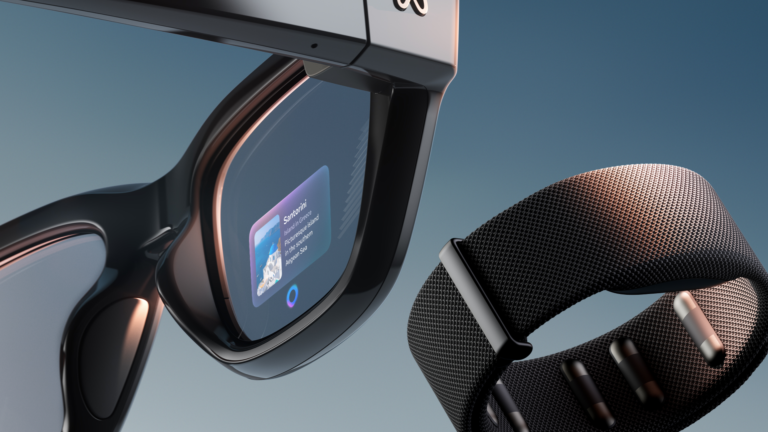
Also in 2025, smart glasses were reintroduced, with Meta leading the way with normal-looking glasses that use lenses as a secret screen visible only to the user. Control options include a smart strap, hand gestures, and voice commands, as the glasses feature an advanced AI assistant.
No More AI Pins
When AI chatbots emerged in late 2022 and early 2023, there was considerable hype surrounding AI-only devices as a new category. “AI Pins” from companies like Humane and Rabbit were introduced to challenge the dominance of the smartphone, but real-life usage proved these devices to be unreliable and mostly unnecessary.
Since then, talk about new AI-only devices has quieted down. Even the partnership between designer Jony Ive and Sam Altman seems unlikely to cause a disruption in the hardware market now. The current trend is to incorporate AI into every device and service, rather than designing new hardware solely for AI.
Foldables Are Finally Thin
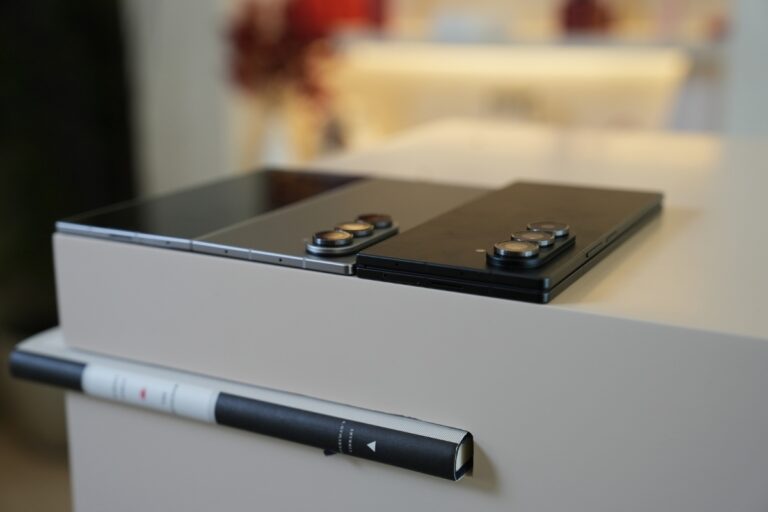
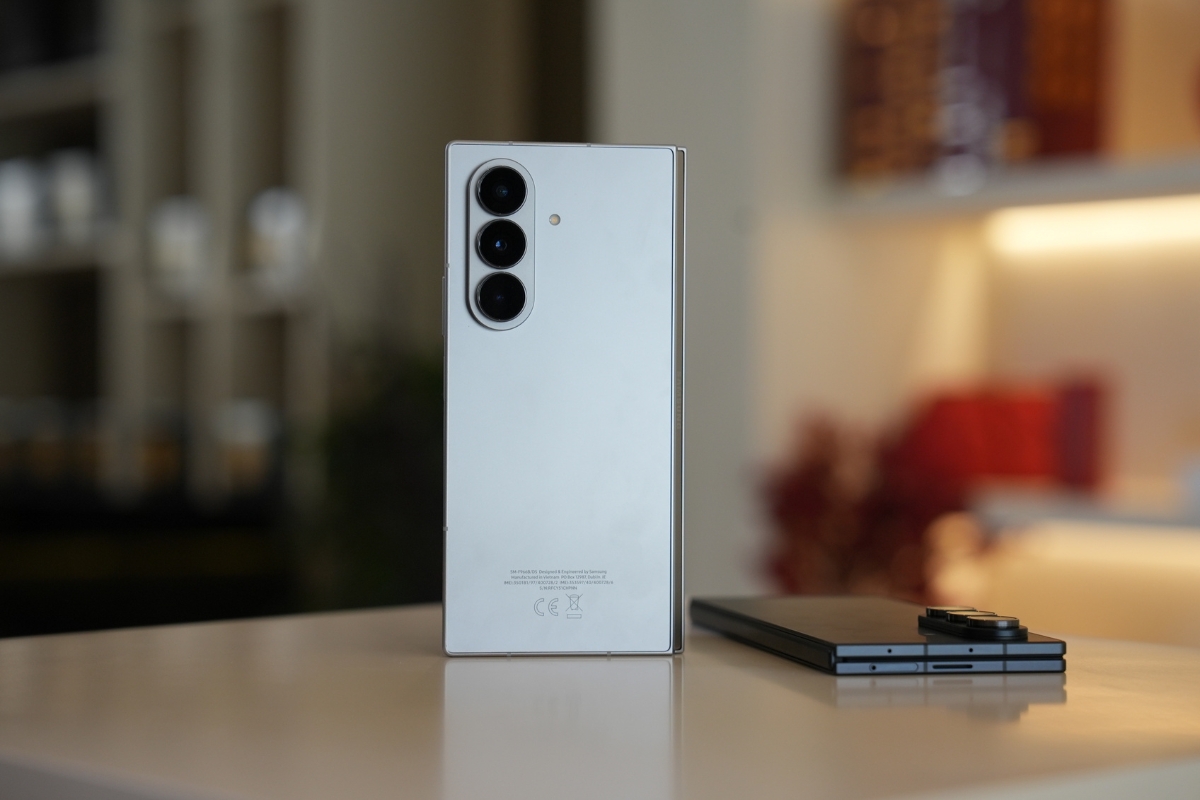
At what thickness does a smartphone become considered thin? Apple would say 5.6mm with the iPhone Air, while Samsung would likely point to the slightly thicker 5.8mm of the Galaxy S25 Edge. For foldables, however, thinness is pushed closer to the 4mm mark, at least when opened.
This year’s foldable phones mostly hovered around 4.1-4.5mm when open, and about 9mm when closed (excluding camera bumps). Devices like the Galaxy Z Fold7 and Honor Magic V5 show that foldable phones are no longer the thick, heavy giants of the past. When closed, they are similar in size and weight to a traditional bar phone, but once opened, the difference is clear.